Werewolves have been a part of legends for generations, and they are told all over the world. As far back as 1764, rural areas of sparse population in parts of France reported a menacing creature that would feed on both people and livestock. With this region being an agricultural hub, widespread panic had been cast. Nobody knew for sure what was really going on. That summer, teenaged shepherdess Jeanne Boulet was documented as the beast’s first officially recorded victim. The next year, King Louis XV actually sent out professional wolf-hunters, in addition to the military, to investigate who or what was killing across the nation. This led straight a large wolf being taken out. However, the attacks continued. Then, in 1767, local farmer and avid outdoorsman Jean Chastel actually shot and killed a large mysterious canid creature as part of an officially orchestrated takedown. Luckily, this event successfully ended the animal’s reign of terror.
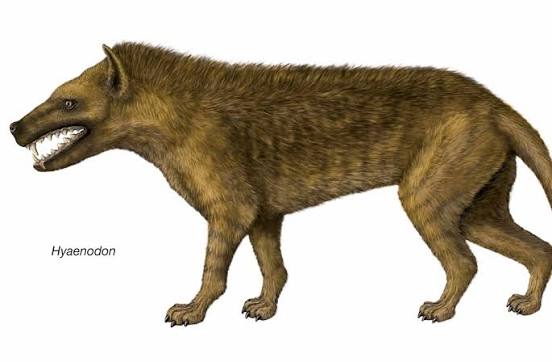
As far as identifying the culprit, many modern experts have deduced that it was not just 1 animal acting alone, but rather a pack of large (possibly rabid) wolves that set out to prey in the area because of its vulnerability. Others have speculated that it could be an escaped sub-adult lion, hyena, or some hybrid creature, based on many eyewitness accounts reporting an unusually broad chest, reddish or striped fur, and immunity to being shot at. Though not technically a modern cryptid species, locals have embraced the legend into local lore to capitalize, including monuments and museums dedicated to the Beast of Gévaudan.